
Scorching Heat! Beware of Heatstroke
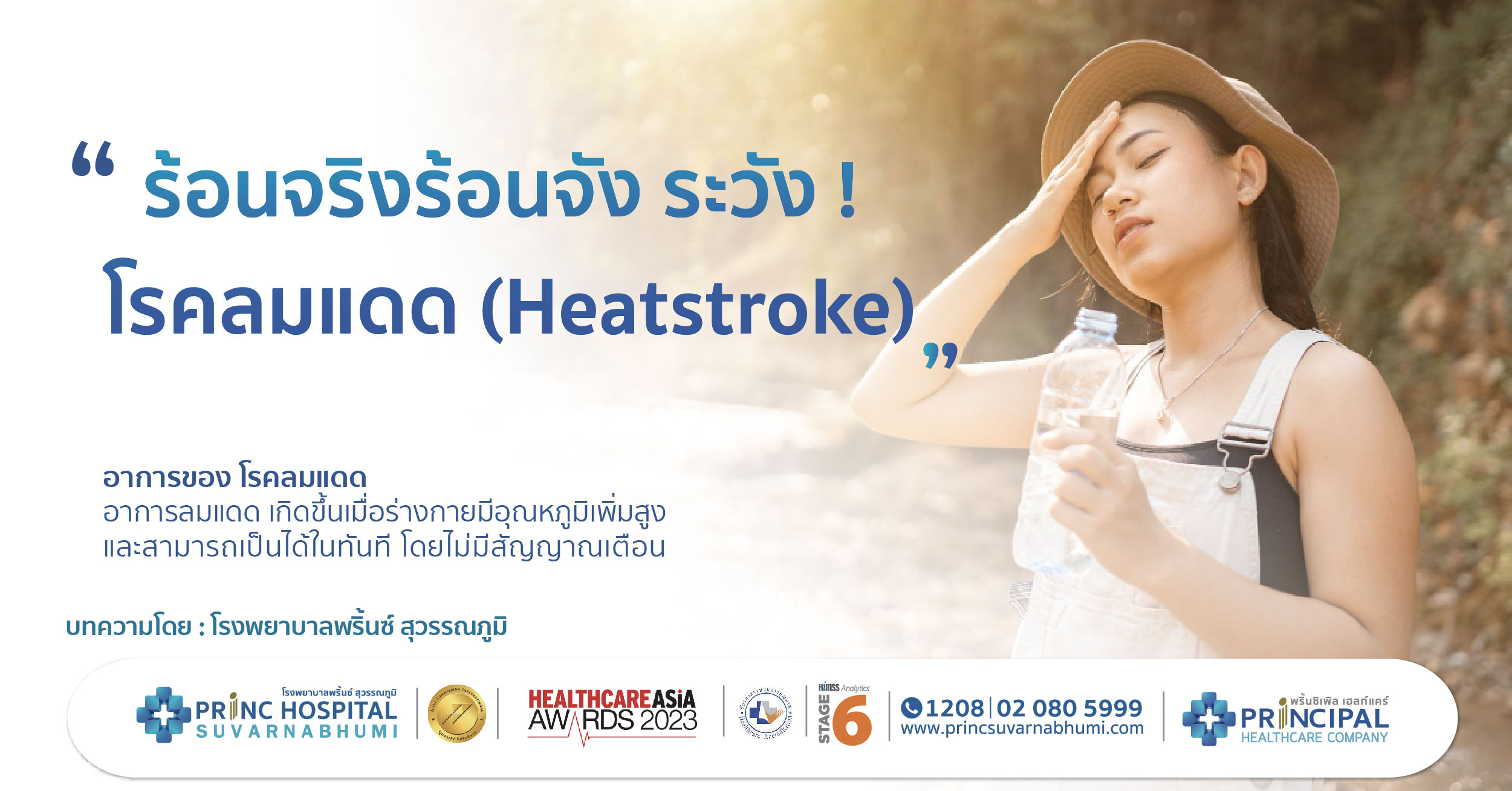
Scorching Heat! April is here, and many people can’t help but complain about the extreme temperatures. The heat is so intense that it raises concerns about the risk of heatstroke. Let’s take a closer look at what “heatstroke” is and how to prevent it!
Understanding Heatstroke
Heatstroke occurs when the body's temperature rises excessively due to prolonged exposure to extreme heat, being in a very hot environment, or engaging in intense physical activity without adequate heat dissipation. When the body overheats, it can severely affect vital organs. If someone experiences heatstroke, immediate medical attention is required, as delays in treatment may lead to complications, severe health risks, or even death.
Symptoms of Heatstroke
Heatstroke symptoms arise when the body’s temperature spikes, and it can happen suddenly without any prior warning signs.
Common Symptoms of Heatstroke
- Body temperature rises to 40°C (104°F) or higher
- Dizziness, confusion, fainting, and flushed skin
- Rapid breathing and fast heartbeat, accompanied by a throbbing headache
- Nausea, vomiting, muscle cramps, or weakness
- Sudden collapse or unconsciousness, which is particularly dangerous for the elderly
Causes of Heatstroke
- Intense physical activity in hot environments, such as outdoor sports or strenuous work under direct sunlight
- Prolonged sun exposure, where the body fails to regulate temperature properly, especially in the elderly and individuals with chronic illnesses
Diagnosis of Heatstroke
Patients exposed to high temperatures for extended periods, especially those with pre-existing conditions such as stroke (Multiple Sclerosis) or epilepsy.
- Doctors will assess heatstroke risk factors by taking the patient’s medical history to identify underlying health conditions include:
- Conducting a physical examination to check for high body temperature
- Evaluating heat exposure or intense physical activity
- Observing abnormal symptoms in different body systems caused by excessive heat
- Performing blood tests and X-rays to detect possible complications, as each individual may react differently, especially those with chronic illnesses
Preventing Heatstroke
- Wear breathable clothing or UV-cut protective attire to shield against sunlight.
- Avoid alcoholic beverages, as they increase urine output, leading to dehydration and loss of electrolytes.
- Use sunscreen and sun-protective gear to minimize direct sun exposure.
- Stay hydrated by drinking water regularly. Proper hydration helps regulate body temperature and prevents heat-related illnesses.
- Avoid intense exercise or heavy exertion in hot and poorly ventilated environments.
- Schedule strenuous activities during cooler parts of the day (morning or evening) to prevent excessive heat accumulation in the body.
- Avoid staying in direct sunlight for prolonged periods and never sit in a parked car under the sun, as the temperature inside can rise dangerously fast, even with windows slightly open or when parked in the shade.
Treatment for Heatstroke
- Move the person to a cool, shaded, or air-conditioned area to help lower body temperature.
- Remove excess clothing and loosen tight garments to allow heat to escape.
- Cool the body down by wiping with a damp cloth or placing ice packs on the head, neck, armpits, and groin areas.
- Use inhaler or ammonia to help alleviate dizziness and fainting.
- If unconscious, ensure the person regains consciousness before gradually returning to normal activities.
- Seek medical attention immediately if symptoms persist or worsen.
Heatstroke can occur not only in extreme summer heat but also when the body is fatigued, overworked, or unable to adjust to sudden temperature changes. Now that you understand this condition, you can take better precautions to protect yourself.
This summer, don’t forget to take care of yourself and your loved ones—stay safe from heatstroke!
แพ็กเกจ/โปรโมชั่นที่เกี่ยวข้อง


